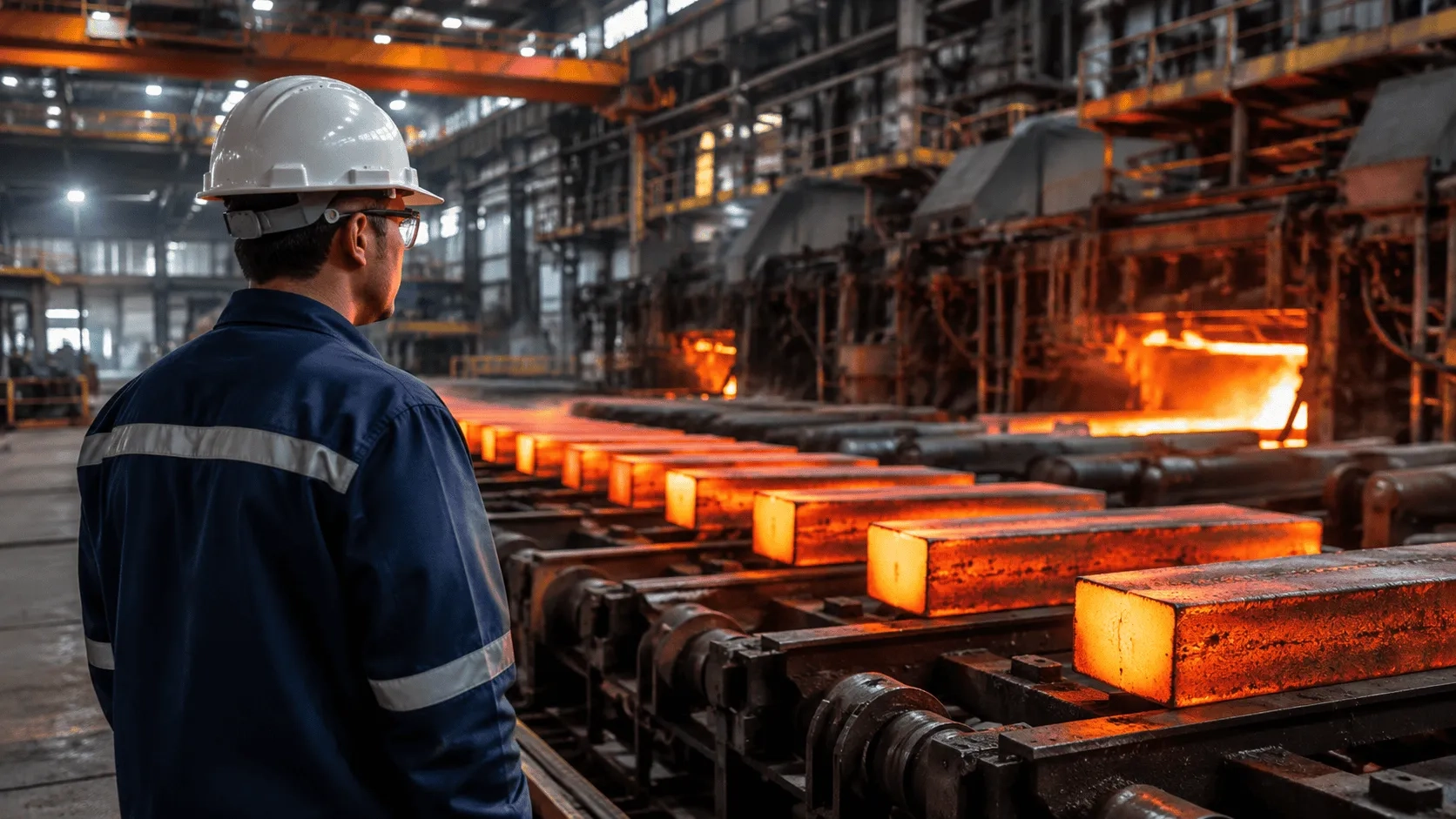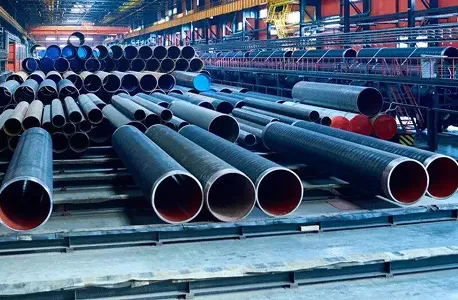

This transition is a fundamental shift in metallurgy, not just environmental compliance. As recycled metal use grows, the accumulation of tramp elements like copper, tin, and chromium poses severe risks to steel quality. Unlike primary steelmaking that uses iron ore to dilute impurities, the secondary path cannot easily refine out these elements. Upstream sorting is now the most vital link in your manufacturing chain.
The raw reality of Steel Recycling India in the secondary sector
The secondary steel sector, relying on electric arc furnaces (EAF) and induction furnaces, contributes over half of India’s steel output. However, the raw material pipeline is facing a severe squeeze. To understand the bottlenecks, we must look at how scrap is collected and why domestic material fails to meet chemical specs.Why is domestic scrap chemistry so unpredictable?
The chemistry problem stems from the informal collection network. When workers demolish an old structure or dismantle a vehicle in an unorganized yard, they sort metals manually. They cannot isolate copper wiring wrapped inside electric motors or separate alloyed steel bolts from mild steel plates. This mixed scrap is baled and sent to melt shops, where tramp elements melt directly into the liquid steel. Copper is the primary enemy. In an induction furnace, copper cannot be oxidized out of the melt. If copper levels exceed 0.15% in structural steel, you risk hot shortness, which causes the steel to crack during hot rolling. For specialized manufacturing, the tolerance is even lower. When sourcing raw materials for high value applications like tool steels or specialized High Speed Steel (HSS) grades, a tiny fraction of tramp copper ruins the entire heat. This wastes energy, labor, and expensive alloys. The only way to prevent this is by sourcing from processors who use mechanical shredders and magnetic separators to isolate ferrous scrap from non ferrous contaminants before it reaches your furnace. Let’s be honest. Most procurement managers only look at the price per ton until a batch of bad steel ruins their furnace. I have seen entire production runs scrapped because someone wanted to save a few rupees on a cheap truckload. It sounds painful to reject a shipment at the gate, but it beats explaining to your board why your structural steel is cracking.Can we rely on imported shredded scrap under current policy?
Historically, Indian steelmakers balanced domestic quality deficits by importing high quality shredded scrap from Europe, North America, and the Middle East. This material offered predictable chemistry and high bulk density. However, this relief valve is tightening. The European Union is systematically restricting waste exports to non OECD countries to keep valuable secondary resources within its borders for regional decarbonization. Simultaneously, the Bureau of Indian Standards (BIS) has tightened quality norms for imported metals. Shipments undergo rigorous preshipment inspections. Any suspicion of radioactive contamination or weapon shells leads to immediate port delays. If you rely on containerized imports arriving at Nhava Sheva, Mundra, or Chennai, you must factor in longer lead times and sudden regulatory hurdles. Port congestion, customs inspections, and container shortages mean relying solely on imported scrap for just in time melt schedules is a high risk strategy. To run a stable operation, you must establish a diversified sourcing mix that balances imported material with premium, processed domestic scrap.Scrap is no longer a waste product to be bought at the lowest spot price: it is an engineered raw material. If you do not audit chemistry at the source, you outsource quality control to the melt shop floor, where mistakes are incredibly expensive to fix.
Structural bottlenecks in the domestic supply pipeline
The Indian government has recognized the scrap deficit and set ambitious targets under the National Steel Policy, aiming to increase scrap use in steelmaking to 50% by 2047. Currently, that figure hovers around 23%. Bridging this massive gap requires a complete overhaul of domestic collection, but the transition is slow and uneven.Will the vehicle scrapping policy solve our volume deficit?
The Voluntary Vehicle Fleet Modernization Program, commonly known as the vehicle scrapping policy, was introduced to create a steady stream of high quality domestic scrap. By dismantling end of life vehicles in licensed, automated facilities, the industry was supposed to receive a clean supply of sheet steel and engine blocks. The practical reality is that the rollout of Registered Vehicle Scrapping Facilities (RVSFs) has been slow. Most vehicle owners still sell old cars to informal yards in places like Mayapuri in Delhi or Kurla in Mumbai. Those transactions are fast, cash based, and free of bureaucratic paperwork. Formal RVSFs operate far below capacity because they cannot compete with the informal sector on acquisition prices. As a procurement manager, do not expect this policy to solve your volume constraints in the next twelve to twenty four months. The volume of clean automotive scrap entering the formal market remains a small stream, not the promised flood.Is shipbreaking scrap still a viable primary feedstock?
For decades, the shipbreaking yards of Alang in Gujarat were the backbone of the rerolling industry in western India. Plates recovered from decommissioned cargo ships were sheared and sent directly to rerolling mills, bypassing the melting stage entirely. This was an efficient, low energy form of recycling. Today, that pipeline is shrinking. Global shipping dynamics, high freight rates, and international environmental regulations mean fewer ships are sent for demolition. When vessels do arrive, they are highly contested, driving up the cost of ship scrap. Furthermore, mills relying on rerolled ship plates face stricter structural safety regulations. Many infrastructure projects now ban the use of rerolled steel, demanding billet routed steel that guarantees consistent mechanical properties. If your supply chain relies on shipbreaking scrap, you need to transition toward billets produced from controlled melts using a mix of direct reduced iron (DRI) and high quality sorted scrap.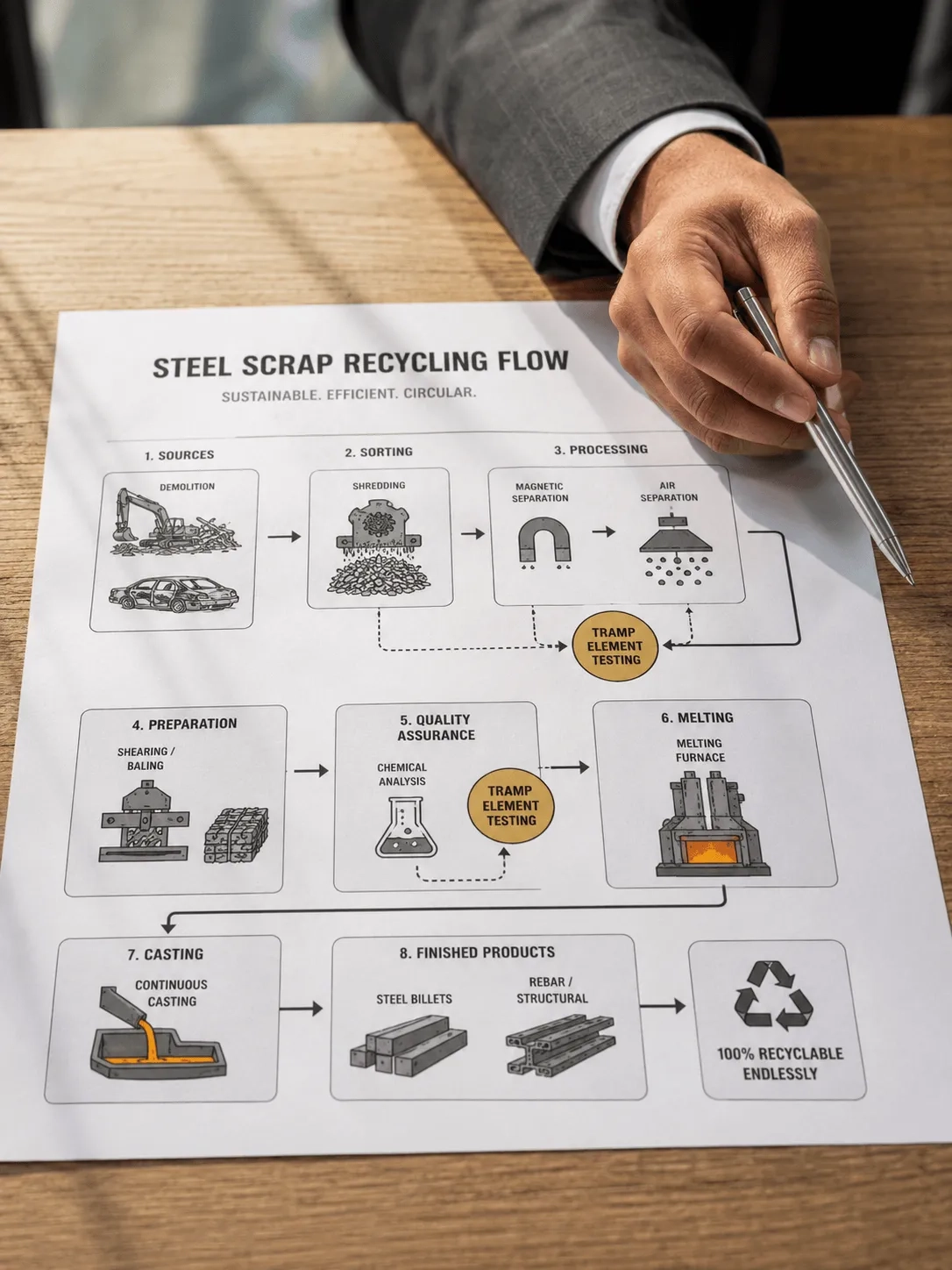
Procurement tactics to de-risk your steel melt shop
To survive these supply chain shifts, industrial procurement managers must change how they buy. Purchasing scrap based on the lowest price per ton is a recipe for operational failure, leading to high slag rates, damaged furnace refractories, and rejected heats.
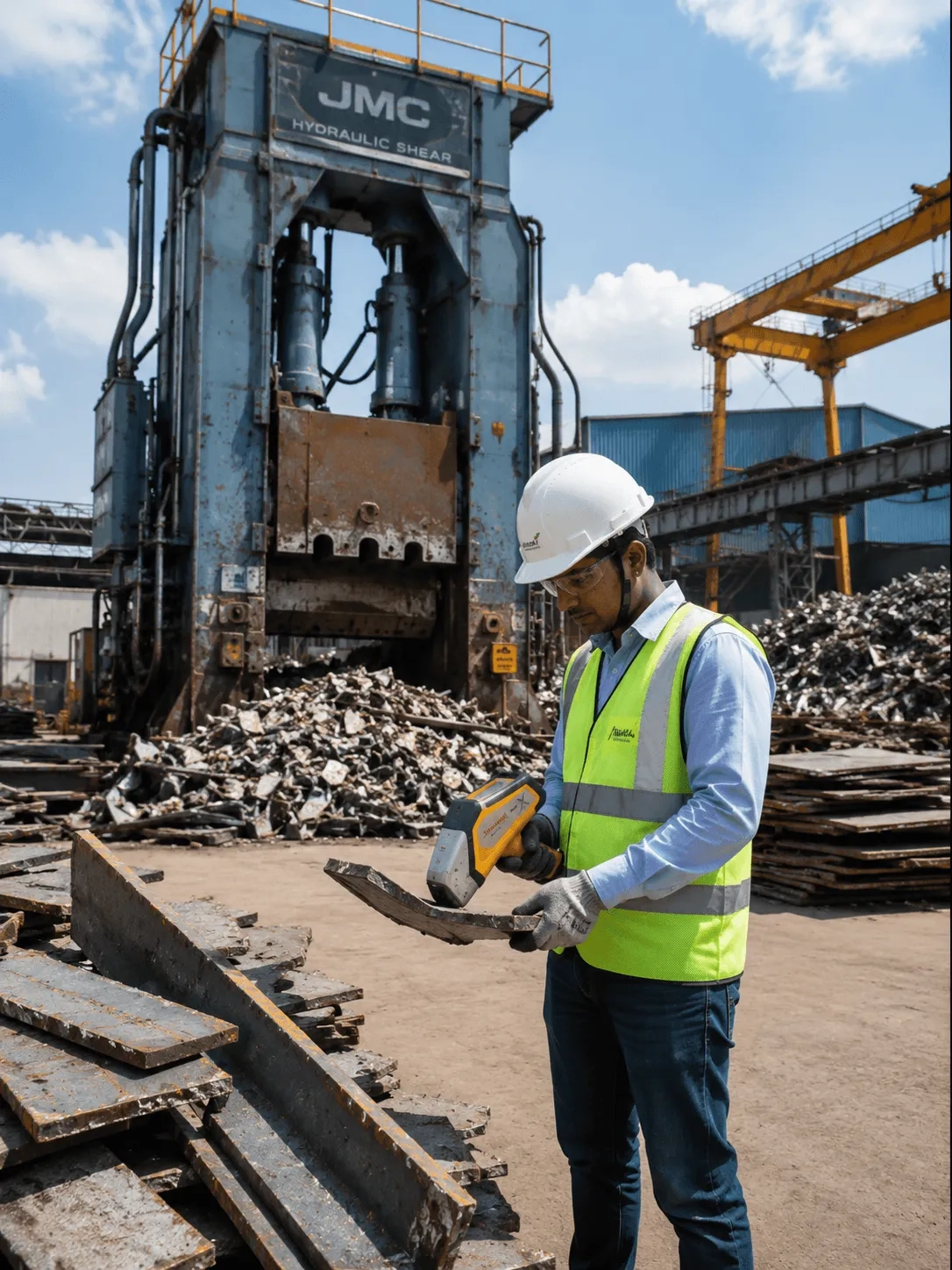
First, establish direct relationships with organized scrap processors who own physical assets like hydraulic shears, high capacity balers, and eddy current separators. These processors guarantee consistent size and density, which improves electrical efficiency and reduces melting time. You can explore structured long term agreements for industrial ferrous scrap sourcing to secure baseline volumes, rather than playing the volatile weekly spot market.
Second, implement a strict inbound testing protocol instead of relying on supplier paper certifications. Equip your receiving yard with handheld X-ray fluorescence (XRF) or laser induced breakdown spectroscopy (LIBS) analyzers. Every incoming truckload should be sampled and tested for tramp elements before unloading. If a batch exceeds your maximum allowable copper or tin limits, reject it immediately or downgrade its use to non critical melts.
Third, look at your internal scrap generation. If you run a manufacturing plant that stamps, machines, or shears steel components, your own prompt industrial scrap is the cleanest raw material you have. Instead of selling this prime scrap to general dealers, consider closed loop buyback programs. Work with your metal supplier or a trusted partner offering custom metal alloy manufacturing services to return your scrap directly to the melt shop that supplies your raw steel. This keeps your high quality, known chemistry scrap within your own production loop, shielding you from market shortages and price spikes.
Frequently asked questions
How does copper contamination affect the mechanical properties of recycled steel?
Copper does not oxidize during the steelmaking process, meaning it remains entirely in the melt. During hot working or rolling, copper concentrates at the steel surface, causing a phenomenon known as hot shortness. This leads to deep surface cracks and tears, rendering the steel useless for structural or high stress industrial applications.
What is the difference between prompt scrap and obsolete scrap in terms of quality?
Prompt scrap is the clean byproduct of manufacturing processes, such as trimmings, stampings, and turnings. It has a known chemical composition and is virtually free of contamination. Obsolete scrap comes from end of life products like old machinery, demolished buildings, and discarded vehicles, which contain high levels of non ferrous attachments and dirt, requiring extensive processing to clean.
Why cannot induction furnaces refine out impurities as effectively as electric arc furnaces?
Induction furnaces are primarily melting units rather than refining vessels. They lack the capacity to blow large volumes of oxygen or create the reactive slag chemistry required to remove elements like phosphorus, sulfur, and tramp metals. Electric arc furnaces, with their larger capacities and advanced slag refining capabilities, can manage a wider range of scrap qualities, though tramp elements like copper still remain difficult to eliminate entirely.
How are new BIS guidelines affecting scrap imports into Indian ports?
The Bureau of Indian Standards guidelines require strict preshipment inspection certificates and mandate that scrap must be completely free of hazardous materials, armaments, and radioactive elements. This has increased compliance costs for international suppliers and led to longer inspection delays at major Indian entry ports, reducing the speed of the import supply chain.
What are key parameters to include in a scrap procurement contract to ensure chemistry?
A robust procurement contract must specify maximum allowable limits for tramp elements like copper, tin, chromium, and nickel, minimum bulk density requirements, and acceptable moisture levels. It should also define the testing methodology such as handheld XRF sampling, the penalty structure for off spec shipments, and clear terms for immediate rejection of contaminated loads.